Source Fashion Religious Pendant for Decoration, Gifts, and Collection
Explore 30 options for fashion religious pendant designs suitable for female and male buyers. Compare alloy and 925 sterling silver materials, cross and geometry shapes, and plating finishes to find the right pieces for decoration, gifts, and collection purposes; compare the available evidence and request quotations based on your requirements.
Key considerations
Products List
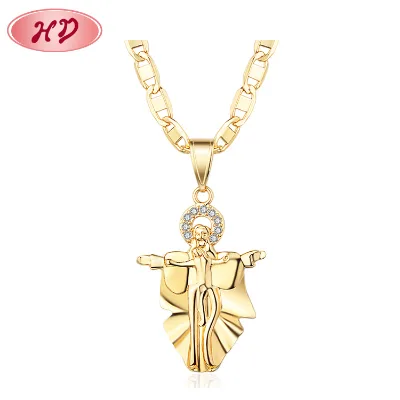
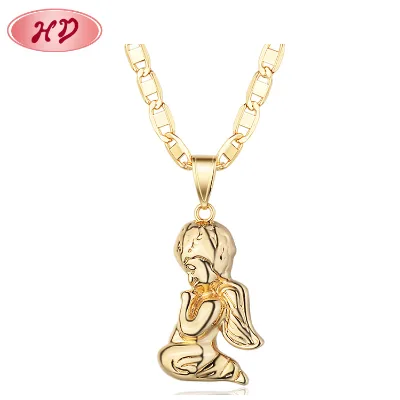


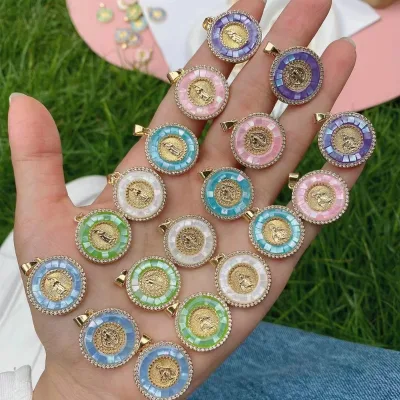
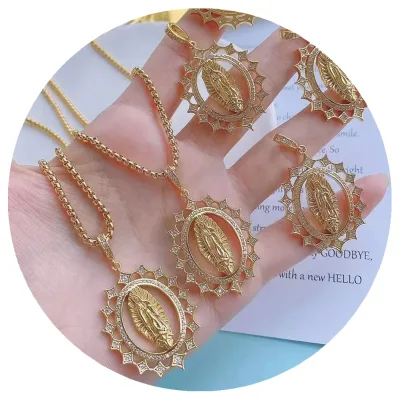
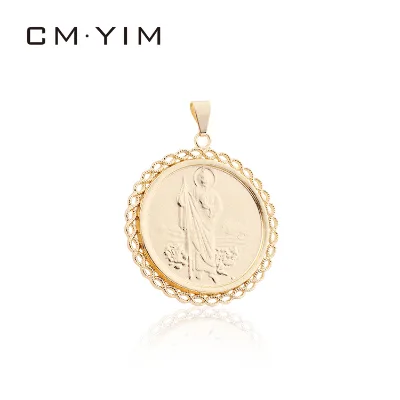
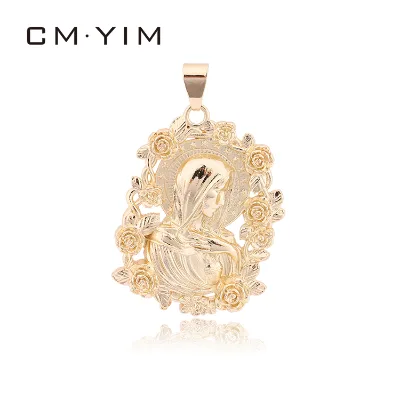
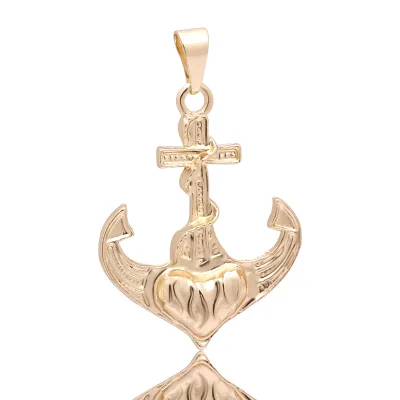


Comprehensive Sourcing Guide
Fashion Religious Pendant Sourcing Guide
Sourcing fashion religious pendants requires balancing spiritual symbolism with contemporary aesthetic trends to meet diverse consumer demands. The market offers a wide array of designs, ranging from simple crosses to complex geometric shapes, often crafted in materials like alloy or 925 sterling silver. Buyers must navigate a landscape where customization is frequently available, allowing for tailored solutions that align with specific brand identities or regional religious preferences.
Procurement strategies should focus on verifying the intended usage, which often spans decoration, health, and religious observance. The observed product range includes items suitable for females, males, and universal wear, indicating a need for versatile inventory planning. Understanding these distinctions ensures that the selected inventory appeals to the correct demographic while maintaining the integrity of the religious symbolism inherent in the product design.
Product Scope and Observed Listing Signals
The current market presents a diverse catalog of pendants with varying specifications, including lengths of 45cm and 50cm, alongside customizable size options. Listings indicate a strong presence of silver and gold plating, with some items explicitly featuring 925 sterling silver purity. This variation suggests that buyers must carefully review individual product attributes to distinguish between plated alloy pieces and solid silver options, as the material composition significantly impacts both value and durability.
Observed listing signals reveal that pendant shapes range from classic crosses and ovals to modern geometric and round forms. The style spectrum extends from simple and luxury designs to general fashion trends, catering to different market segments. Buyers should note that while some products are packaged in OPP bags, others utilize cartons, which may influence logistics planning and retail presentation strategies for different distribution channels.
Technical Specifications to Verify
Verifying technical specifications is critical when sourcing religious jewelry, particularly regarding material purity and weight standards. The data indicates specific weight variations, such as 3.2g, 6g, 15g, and 24.77g, alongside purity claims of 92.5% for silver items. Procurement teams must confirm these metrics against supplier documentation to ensure that the physical properties match the advertised standards, preventing discrepancies that could lead to customer dissatisfaction or returns.
Surface treatment and processing methods also require rigorous verification to guarantee product longevity and finish quality. Common processes include casting and gold plating, with some listings specifying custom plating colors. Buyers should request detailed information on the plating thickness and the specific casting techniques used, as these factors directly influence the resistance to tarnishing and the overall aesthetic appeal of the finished religious pendant.
Compliance and Safety Documentation
Ensuring compliance with safety standards is essential for religious jewelry that may be worn close to the skin or used in sensitive contexts. While specific certification names are not universally listed in the provided data, buyers must verify that all materials, especially those claiming 925 sterling silver, meet international safety regulations for heavy metals and allergens. This due diligence protects the brand from liability and ensures consumer safety across different regulatory environments.
Documentation should also cover the origin and manufacturing standards of the products, particularly given that items originate from regions like Yiwu, Zhejiang, and China. Buyers need to confirm that the manufacturing processes adhere to ethical labor practices and environmental standards. Requesting proof of origin and material certification helps establish a transparent supply chain, which is increasingly important for B2B buyers concerned with corporate social responsibility and brand reputation.
Cost Drivers and Commercial Terms
Cost drivers in this category are heavily influenced by material composition, with 925 sterling silver commanding a higher price point than alloy alternatives. The observed price range of 0.12 to 64.81 USD reflects this disparity, alongside variations in plating quality and design complexity. Buyers must analyze the cost structure to determine the optimal balance between material quality and retail pricing, ensuring that the final product remains competitive while maintaining acceptable profit margins.
Commercial terms such as Minimum Order Quantity (MOQ) and customization availability significantly impact procurement planning. The observed MOQ range spans from 2 to 1000 units, offering flexibility for both small boutique orders and large-scale distribution. Buyers should negotiate terms that align with their inventory turnover rates, leveraging the availability of customization to create unique product lines without incurring excessive costs associated with high-volume commitments.
Supplier Qualification and Quality Control
Supplier qualification should prioritize partners who demonstrate consistent adherence to the specified product models and standards. The presence of specific model numbers like NKL-11462 and AVA1457 suggests a structured production system, but buyers must verify that the supplier can consistently reproduce these models with high quality. Establishing a clear communication channel for quality control ensures that any deviations in plating, weight, or shape are identified and rectified before shipment.
Quality control protocols must include visual inspections for plating consistency and structural integrity, especially for items with intricate shapes like crosses or geometric designs. Buyers should implement a sampling strategy that tests the durability of the gold plating and the strength of the casting. Regular audits of the supplier's production line can help maintain high standards and ensure that the final products meet the expected fashion and religious quality benchmarks.
Long-Term Procurement Checks
Long-term procurement success depends on maintaining a stable relationship with suppliers who can adapt to changing market trends and consumer preferences. As fashion religious pendants evolve, buyers should regularly review the product catalog for new styles, such as updated geometric shapes or alternative plating colors. This proactive approach ensures that the inventory remains fresh and relevant, preventing stock obsolescence and keeping the brand competitive in a dynamic market.
Continuous monitoring of supplier performance regarding lead times and order accuracy is vital for maintaining operational efficiency. Buyers should track the consistency of delivery schedules and the accuracy of product specifications against the initial order. Establishing a feedback loop with suppliers allows for continuous improvement in product quality and service, fostering a partnership that supports long-term growth and reliability in the sourcing of fashion religious jewelry.
FAQs
What materials are used for fashion religious pendants?
Fashion religious pendants are crafted from various materials including alloy, silver, and 925 sterling silver. Some pieces feature gold plating or specific surface treatments like gold plating. Buyers can choose from different metal compositions to suit their aesthetic preferences and budget requirements for religious jewelry.
Can I customize the design of religious pendants?
Yes, customization is available for many fashion religious pendant products. Buyers can request specific shapes, sizes, or plating colors. Some models offer customized sizes and plating options. This flexibility allows businesses to tailor religious jewelry to specific market demands or branding needs effectively.
What are the standard sizes for these pendants?
Standard sizes for fashion religious pendants include lengths of 45cm and 50cm. Some models offer customized sizes to meet specific requirements. The dimensions vary by product model, with some pieces designed as specific pendant types. Buyers should check individual product specifications for exact measurements.
Which shapes are available for religious pendants?
Available shapes for fashion religious pendants include cross, oval, round, and geometry designs. The cross shape is particularly common for religious themes. Other geometric and simple styles are also offered. These diverse shapes allow buyers to select pieces that align with specific religious or fashion trends.
Are these pendants suitable for both men and women?
Yes, fashion religious pendants are suitable for female, male, and universal audiences. Some models are specifically designed for female wearers, while others cater to male or universal markets. This versatility ensures that buyers can find appropriate religious jewelry for diverse customer demographics and gifting occasions.
What is the typical packaging for these products?
Typical packaging for fashion religious pendants includes OPP bags and cartons. The specific packaging type depends on the product model and supplier standards. OPP packaging is common for individual items, while cartons are used for bulk shipments. Buyers should verify packaging details with suppliers for order fulfillment.
Where are these pendants manufactured?
These fashion religious pendants are manufactured in China, with specific origins noted as Yiwu, Zhejiang. This region is known for jewelry production. Buyers sourcing from these locations can access a wide variety of religious pendant styles. The manufacturing location influences logistics and supply chain considerations for international orders.